

Building a home with Vastu principles in mind is a thoughtful process that begins with the selection of the plot and continues through the design and construction stages. By adhering to Vastu Shastra, you can create a harmonious and energy-balanced space that promotes well-being, prosperity, and success. Here’s a step-by-step guide to incorporating Vastu into every aspect of your home construction, from choosing the plot to the final floor layout.
1. Plot Selection According to Vastu
The first step in home construction is selecting the right plot. Vastu suggests that the orientation and location of the plot have a profound impact on the energy flow within your home.
- Direction: Opt for plots that are north or east-facing as these are considered the most auspicious. They bring in positive energy, which is beneficial for health, wealth, and prosperity.
- Shape of the Plot: Rectangular or square plots are ideal, as they maintain balance. Avoid irregularly shaped plots, as they can create energy imbalances.
- Surroundings: Ensure the surroundings are clean and well-ventilated. Avoid plots with negative influences such as large trees or water bodies (like wells, ponds, or rivers) on the southwest side, as this can lead to instability.
2. Orientation of the House and Foundation Placement
Once the plot is chosen, it’s time to plan the orientation of the house. The foundation is critical, as it sets the groundwork for the energy flow throughout the construction.
- Main Entrance: Position the main entrance of the house in the north, northeast, or east direction to invite positive energy. Avoid entrances in the southwest.
- Foundation: The foundation should be laid in the north or east part of the plot to align with the natural flow of energy.
- Slope: Ensure that the plot has a gentle slope towards the northeast for proper energy circulation.
3. Room Placement Based on Vastu Directions
Room placement is the core of Vastu, and it must align with the directions and natural elements to ensure balance.
- Master Bedroom: Place the master bedroom in the southwest direction. This is ideal for stability and strength, promoting restful sleep and good health.
- Kitchen: Position the kitchen in the southeast corner of the house. The fire element is associated with this direction, and it supports better health and prosperity. If not possible, the northwest is a secondary option.
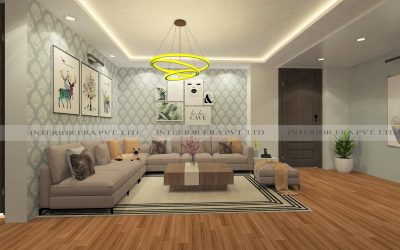
- Living Room: The northeast or east is ideal for the living room. These directions attract positive energy and enhance communication and social interaction.
- Bathrooms and Toilets: Place bathrooms and toilets in the west or northwest part of the house. Avoid placing them in the northeast or southwest as these directions disrupt the harmony of energy.
- Children’s Room: Position children’s rooms in the northwest or west. These directions foster creativity, growth, and well-being.
- Study Room: Ideally, the study room should be in the north or east for promoting concentration, intelligence, and knowledge.
4. Placement of Staircase
The staircase plays an important role in the flow of energy within the house. Improper placement can lead to imbalance.
- Location: The staircase should be located in the southwest, west, or south portion of the house. These directions support vertical movement, helping to balance the energies in the home.
- Avoid Northeast: Avoid placing the staircase in the northeast or center of the house, as it can disrupt the flow of energy and cause instability.
5. Brahmasthan (Center of the House)
The center of the home, also known as the Brahmasthan, is considered the heart of the house in Vastu. It should be open and free of heavy construction to allow for the smooth flow of energy.
- Open Space: Keep the center of the house free from heavy furniture, walls, or other obstructions to allow for the free movement of positive energy.
- Cleanliness: Ensure this area is well-maintained and clutter-free to maintain a positive, uplifting atmosphere.
6. Windows, Doors, and Ventilation
Proper placement of windows and doors ensures adequate ventilation and a healthy energy flow in the house.
- Windows: Place windows in the north and east to receive maximum natural light and fresh air. These directions enhance vitality and positivity.
- Doors: The main door should face north, east, or northeast. Additionally, internal doors should be placed to avoid blockage of energy.
- Ventilation: Good ventilation is crucial. Ensure proper air circulation in all rooms, especially the kitchen, bathrooms, and common areas.
7. Water Elements (Water Tanks, Wells, Fountains)
Water elements are associated with prosperity and well-being. However, their placement must follow Vastu principles to ensure positive energy.
- Water Tank/Well: Position water tanks or wells in the northeast part of the plot to promote wealth and good fortune.
- Fountains and Aquariums: Place fountains or small water features in the northeast or north to bring prosperity and calm. Avoid placing them in the southwest or south.
8. Electrical Appliances and Lighting
Electrical appliances should be positioned in specific areas to prevent negative energy. Lighting, too, plays a vital role in enhancing the ambiance.
- Electrical Appliances: The southeast corner is ideal for placing electrical appliances like TVs, microwaves, and other gadgets, as it corresponds with the fire element.
- Lighting: Ensure that lighting is strategically placed in the north, east, or northeast directions for a bright, vibrant, and positive atmosphere.
9. Colors and Materials for Interiors
Vastu suggests specific colors and materials to balance the five elements (earth, water, fire, air, and space) and enhance the overall energy of your home.
- Colors: Choose light, soothing colors for the north and east walls, such as white, light blue, or cream. For the south and west walls, opt for warmer shades like red, yellow, or brown.
- Materials: Use natural materials like wood, stone, and clay to connect with the earth element. These materials promote stability and balance.
10. Furniture Placement
Furniture placement impacts energy flow and ensures that the house remains clutter-free, promoting peace and stability.
- Living Room: Arrange the furniture to ensure free movement and open spaces. Avoid placing heavy furniture in the center of the room.
- Bedroom: The bed should be placed with the head facing the south or west for a restful sleep.
- Study Room: Position study tables with the person facing the north or east direction to enhance concentration and success.
11. Final Touches and Floor Construction
When the basic structure of the house is in place, focus on the final touches to ensure that the energy flow remains positive.
- Flooring: Choose flooring materials like wood, stone, or tiles that are durable and enhance the aesthetics of the home. Light-colored floors are ideal for the north and east areas.
- Decor and Finishing: Place decorative items in harmony with Vastu. Use soft, non-abrasive colors and materials that match the Vastu principles for the room’s purpose.
Conclusion: Building a Vastu-Compliant Home
By following the Vastu guidelines step-by-step from plot selection to final floor construction, you can create a home that supports positive energy, health, wealth, and happiness. The placement of rooms, furniture, and design elements in the right directions ensures that the space promotes well-being for all occupants.
If you are looking for professional guidance in creating a Vastu-compliant home, Interior Era, a top interior design company in Kathmandu, offers expert advice and services for home construction. Their team ensures that every step of the process, from plot selection to the final floor plan, aligns with Vastu principles, creating a harmonious and balanced living space for you and your family.

0 Comments